
Upper Casa
Ages 4 – 6yrs
The Upper Casa years are a remarkable period of growth, where children’s curiosity, independence, and confidence flourish. In our bilingual Urdu-English Montessori environment, children are encouraged to think critically, ask questions, solve problems, and take ownership of their learning along with 50-50 use of Urdu-English.
As they prepare for elementary school, children become confident, compassionate learners who are ready to lead, collaborate, and embrace new challenges in both languages.

Mathematics & Discovery
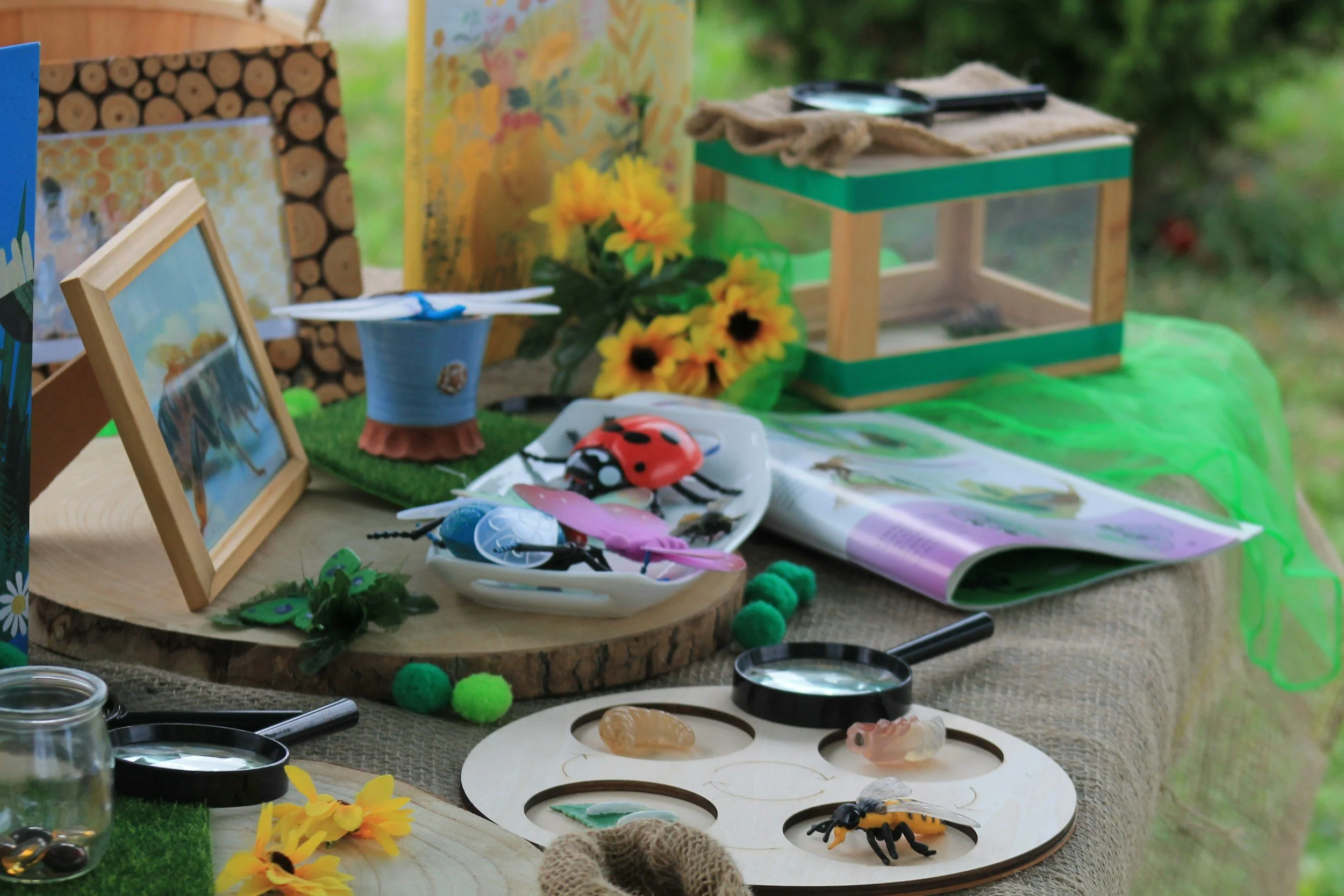
Hands-on Montessori materials help children explore mathematics, science, geography, and the world around them through observation and problem-solving.

Leadership & Independence
Children take ownership of their learning, make thoughtful choices, and develop confidence by working independently and collaborating with peers.

Creativity & Critical Thinking
Project-based learning, art, music, and open-ended exploration encourage curiosity, innovation, and a lifelong love of learning.
Bilingual Learning
Children develop strong reading, writing, and communication skills in both Urdu and English through Montessori language materials and meaningful daily conversations along with 50-50 use of Urdu-English.

-
An Upper-Casa class blends structured academic readiness with engaging, hands-on learning experiences. Children participate in Montessori-inspired activities focused on language, phonics, early reading, writing practice, mathematics, science exploration, cultural studies, and creative expression. The environment encourages independence, critical thinking, and collaboration while gently preparing children for formal schooling.
-
At the Upper-Casa level, children develop strong school-readiness skills across multiple areas. This includes confident reading and early comprehension, writing sentences with proper formation, number operations and early problem-solving, logical thinking, attention span, and classroom discipline. Children also strengthen communication, confidence, and independence, ensuring a smooth transition into primary school.
-
Teachers observe each child’s academic, social, and emotional development throughout the year and provide regular updates to parents, celebrating achievements while identifying areas for continued growth.
-
The program strengthens literacy, numeracy, critical thinking, and communication skills while fostering independence, responsibility, and confidence to help children transition smoothly into formal schooling.